Part of the magic of lapidary work is mixing different raw materials together and watching how they transform side-by-side. While tumbling a uniform batch of stones has its merits, experimenting with a diverse blend of rocks can be incredibly rewarding—provided you know how to manage the process.
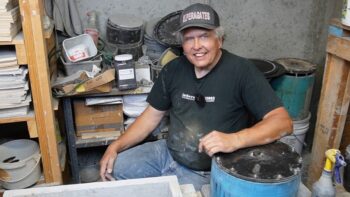
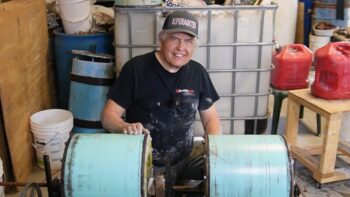
In our most recent video, we decided to load up one of our large tumblers with an exciting “potluck” of materials directly from our shop. We walk you through the entire process, from selecting the stones and adding the grit, to the highly-anticipated reveal after 10 days in the rough grind.
The Process: Prepping a Mixed-Material Batch
Tumbling a varied load requires a bit of strategy to ensure everything grinds smoothly. Here are a few key takeaways on how to prep a diverse tumbler barrel effectively.
Building the Perfect Mix A great tumbler batch relies on a good balance of sizes and materials. In the video, we start by adding larger, standout pieces—like a striking chunk of Polka Dot Jasper and some Red Jasper from Africa [00:45]. To ensure these bigger stones don’t just bang against each other, we introduce “cushioning” stones. Rose Quartz and Amethyst are fantastic for this; they fill in the gaps beautifully, helping to grind the larger pieces evenly while simultaneously turning into lovely polished gems themselves [02:51].
The Hardness Factor in Rough Grinds Normally, mixing stones of wildly different hardness levels is a big lapidary faux pas. For example, Fluorite is quite soft compared to Sodalite or Jasper. However, when you are only doing a rough grind (using a coarse 60/90 grit), the process is surprisingly forgiving [10:19]. You can absolutely throw softer stones into the mix during this initial shaping phase. Just remember to separate them later; once you move on to the finer grits and polishing stages, the softer stones will need to be processed in their own dedicated batch to prevent scratching.
The Right Ratio of Water and Grit Once the stones are loaded, it’s time to add the grinding agents. After pouring in pre-measured water and a dash of Jet Dry (which helps manage the foam), the grit is introduced [04:13]. For a barrel of this size, about 1.75 to 2 pounds of 60/90 silicon carbide grit is the sweet spot to ensure a steady, aggressive grind over the next week and a half [04:31].
The 10-Day Reveal: Checking Our Progress
After 10 days of non-stop rolling, it was time to crack open the barrel. The 60/90 stage is always exciting because it washes away the rough exterior to reveal the true character of the stones [07:08].
Here are some of the standout materials from this wash:
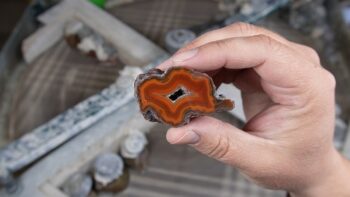
- Parral Jasper: The “star of the show” emerged with incredibly vivid patterning. While it looks stunning, checking it by hand revealed it could use one more cycle in the rough grit to achieve perfect smoothness before moving on [08:46].
- African Red Jasper: These pieces smoothed out beautifully, showcasing that deep, rich crimson color that only gets better with polish [09:46].
- Fluorite & Sodalite: Despite their softer nature, these pieces rounded off wonderfully in the rough grind and are completely ready to graduate to the next tumbling stage [13:19].
- Polychrome (Desert) Jasper: Sourced from Madagascar, this material consistently performs well in the tumbler, emerging with beautiful, soft desert hues [12:15].
Sorting through the barrel after a rough grind is like panning for treasure. Some stones are ready to move on to the fine grit, while others might need a few more days in the coarse stage to work out their stubborn rough spots.
Want to recreate this exact batch at home? We carry all of the rough rock featured in this video—along with high-quality tumbling grit—right here in our shop. Plus, orders over $25 ship for free through Memorial Day!
 PYR117